I grew up watching Westerns with my dad, just as he'd grown watching all the John Wayne and Roy Rodgers movies he could handle (which was a lot). Apparently, some of it took, which can allow me to identify a good Western when I see it. There are a few surprises, a few unknowns, and a few fundamental favorites for the genre listed below.
10. In the Valley of Violence (2016)
I think I caught this one on a cable channel one day. It offers a nice line-up with Ethan Hawke, John Travolta, and Taissa Farmiga, playing their parts in an unorthodox Western, one that offers equal parts slapstick humor and bloody violence. The movie sticks to a simple enough formula - drifter comes into town, is forced to fight, then is persecuted for the trouble he's started, which he didn't really start at all. Hawke plays Paul, an ex-soldier drifter with a dog who is wrongly hunted down by Gilly, the hot-headed son of the Sheriff, Clyde Martin (Travolta). Gilly and his bumbling henchmen push Paul, literally, too far, which forces the sheriff's hand.
9. The Salvation (2014)
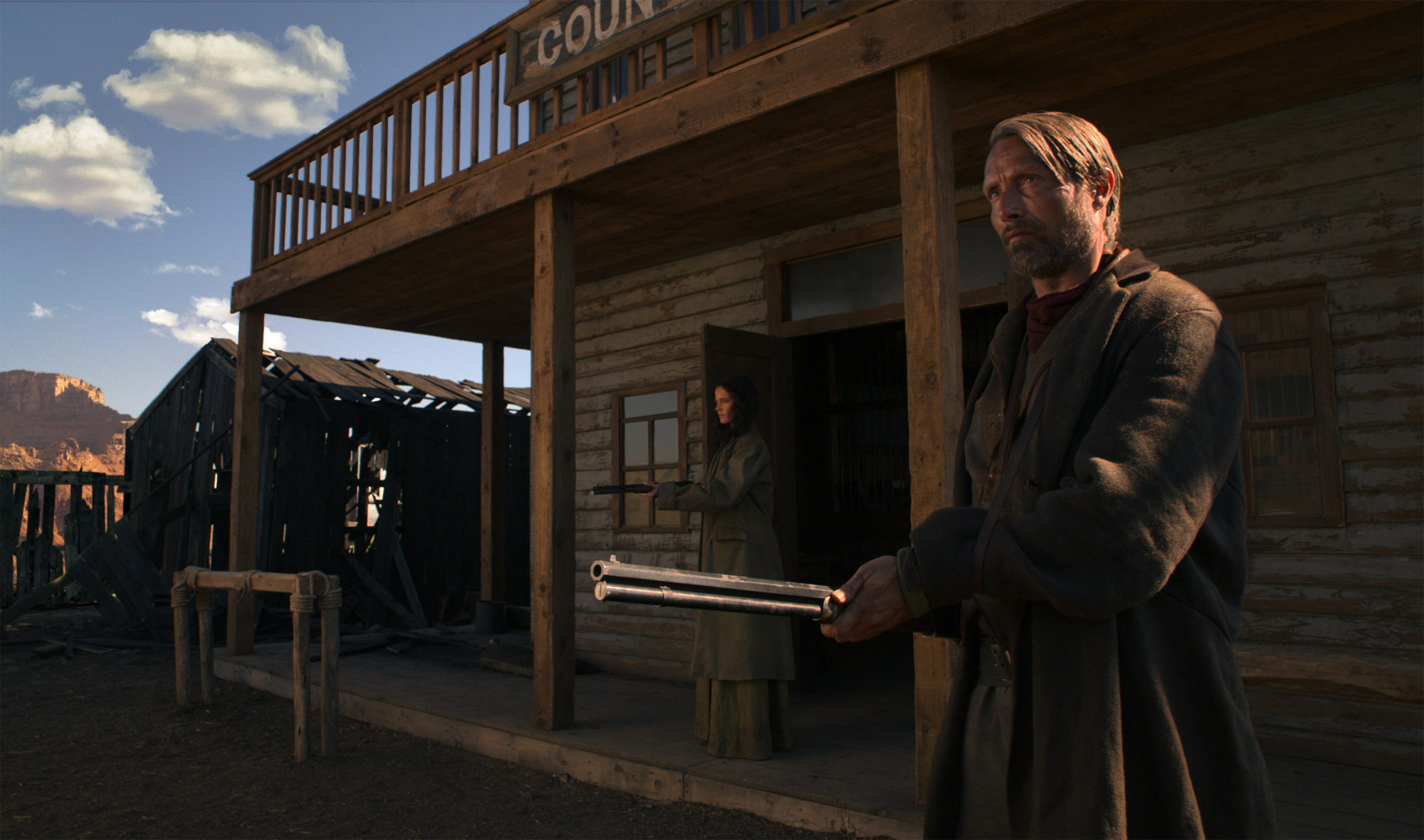
This one stars Danish sensation Mads Mikkelsen as Jon, a Danish settler who experiences one hardship after another in an attempt to settle in America after fighting a war abroad. The film also stars Penny Dreadful alum Eva Green, and The Walking Dead alum, Jeffrey Dean Morgan, who plays a better bad guy than most. Jon takes no pleasure in the vengeance he must have against Delarue (Morgan), whose brother Jon kills when his family is attacked. Madelaine (Green), used and abused as she is, plays an interesting role as well, a mute woman who's bent on her own revenge. Jon is the reluctant killer, and Madelaine is the black widow who's been wronged one too many times.
8. 3:10 to Yuma (2007) Ben Foster was for a time one of my favorite actors. He's never really carried a movie, but certainly could if given half a chance. In 3:10 to Yuma, he plays bit bad guy Charlie Prince, the second in the outlaw gang of Ben Wade (Russell Crowe). Not only is Foster a great actor, and wears a cool jacket and carries a cool gun, but he's my doppelganger, even though he's about a foot shorter than me. But despite all the praise, Foster isn't the best part of 3:10 to Yuma. A remake in itself, the movie pits simple farmer Dan Evans (Christian Bale), along with a town full of law men, against Ben Wade, as they attempt to bring the outlaw to justice. Charlie Prince and gang follows the lawful caravan across the desert in order to free Wade. The ending is classic.
7. The Quick and the Dead (1995)
The Quick and the Dead is about as campy as they come, but it's no less entertaining for it. It's campy on purpose, which gives it a unique style for a Western movie. It features Sharon Stone, a very young Leonardo DiCaprio, and Western movie staple, Gene Hackman, who is excellent as town villain Herod. It's the Bloodsport of Western movies, pitting would-be challengers against one another in a shootout contest to win a boatload of cash, courtesy of Mr. Herod and his paid henchmen. Sharon Stone plays Ellen, a mysterious drifter bent on revenge, who looks to take out Herod with the help gunfighter-turned minister, Cort (Russell Crowe).
6. Unforgiven (1992)
In one of the first movies I remember suggesting we root for the bad guy, Unforgiven grows on you after every viewing. It's a long one, and it takes a lot to get to the legendary shootout in the end, but man, is it worth it. Clint Eastwood is at his best here as William Munny, supposed murderer of men, women, and children. He's settled down, is a widower and a farmer with two children, and needs just as much money to survive as the next guy. This is why he embarks upon a dangerous mission with old friend Ned (Morgan Freeman) and the Kid to avenge a brutalized prostitute at the behest of her associates. Though, Little Bill (Gene Hackman) won't let such stand in his town of Big Whiskey.
5. The Hateful Eight (2015)
The Hateful Eight is one of Tarantino's best, if not THE best. He loves to bring together a who's who of criminals and shady lawmen in order to lead them to a deadly conclusion. I love movies like this, and The Hateful Eight gets it right on so many levels. Former Civil War soldier turned bounty hunter Marquis Warren comes across a second bounty hunter, "The Hangman" John Ruth (Kurt Russell) in a Wyoming snowstorm. Ruth is on his way to hang outlaw Daisy Domergue. A band of misfits, some who might have nefarious intentions, soon join the cast in Minnie's Haberdashery, a literal shelter in the storm.
4. Young Guns (1988)
This one was a childhood favorite, and it's still one as an adult. Young Guns tells the slightly fictional exploits of Billy The Kid and his gang of teenage accidental outlaws, riding across the barren plains of New and Old Mexico. Emilio Estevez is Billy, a role he was born to play, a young pistoleer with a wild, brazen, unpredictable disposition. When their benefactor is killed, Billy, Dick (Charlie Sheen), Doc (Keifer Sutherland), Chavez (Lou Diamond Philips), Charlie, and Dirty Steve, set out on a mission to bring the killers to justice. They are deputized, but Billy decides to execute the murderers without trial. This puts the group into the cross hairs of the law, a couple of bounty hunters, and even the US Army.
3. Silverado (1985)
Silverado pretty much defines the epic Western. It features an ensemble cast with a plethora of story lines, all rolled into one. Emmett is attacked by would-be assassins, Jake can't stay out of jail, Mal is trying to rekindle a relationship with his father and his uptown girl sister, and Paden has an old bone to pick with his old outlaw riding buddies from his old outlaw days. All of that seems to mesh into one is this epic masterpiece, one I first saw as a boy, and one I watch even now when given half the chance. It features a young Keven Costner in one of his best roles, a young Danny Glover as Mal, who's dangerous with his father's Henry rifle, and a young Jeff Goldblum, who's not quite as slick as his character name suggests.
2. Big Jake (1971)
Big Jake is one I grew up on for sure, and one with likely the best story line on the list. I have often thought a remake, or even a modern retelling, would suffice for it. I'm not really a John Wayne fan, but he lead this little-known gem. He stars as Jacob McCandles, a father who deserted his family years before with a collie sidekick simply named Dog at his side. When the grandson he never knew he had is kidnapped, his well-do-do ex-wife enlists his help, along with his two sons, James and Michael, and his old Native-American running mate, Sam Sharpnose. Together, they track down the men responsible, who are holding the boy, also named Jacob, for ransom.
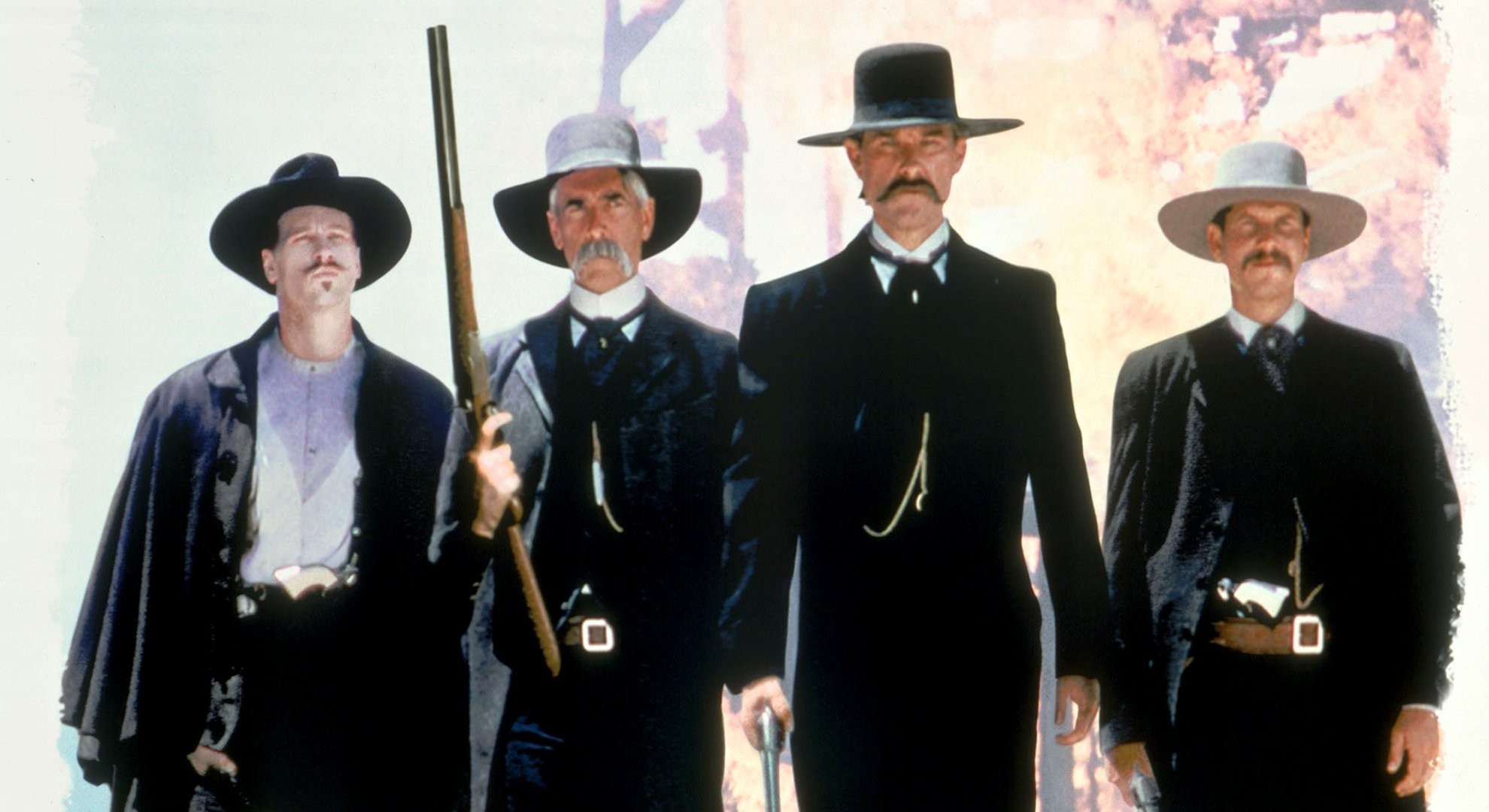
1. Tombstone (1993) This one is probably everyone's favorite cowboy movie. Val Kilmer's Doc Holliday is one of the best portrayals in movie history, with excellent one-liners and a no fear attitude. Kurt Russell plays legendary Kansas lawman Wyatt Earp, who moves to Tombstone, Arizona to start a new entrepreneurial life with his brothers, Virgil (Sam Elliot) and Morgan (Bill Paxton). Lawlessness at the hands of a marauding bunch called the Cowboys sees his brothers take up the badge again, much to Wyatt's chagrin. A war then ensues between the Cowboys and the Earps, and with the help of Doc, they attempt to bring law and order back to the land.
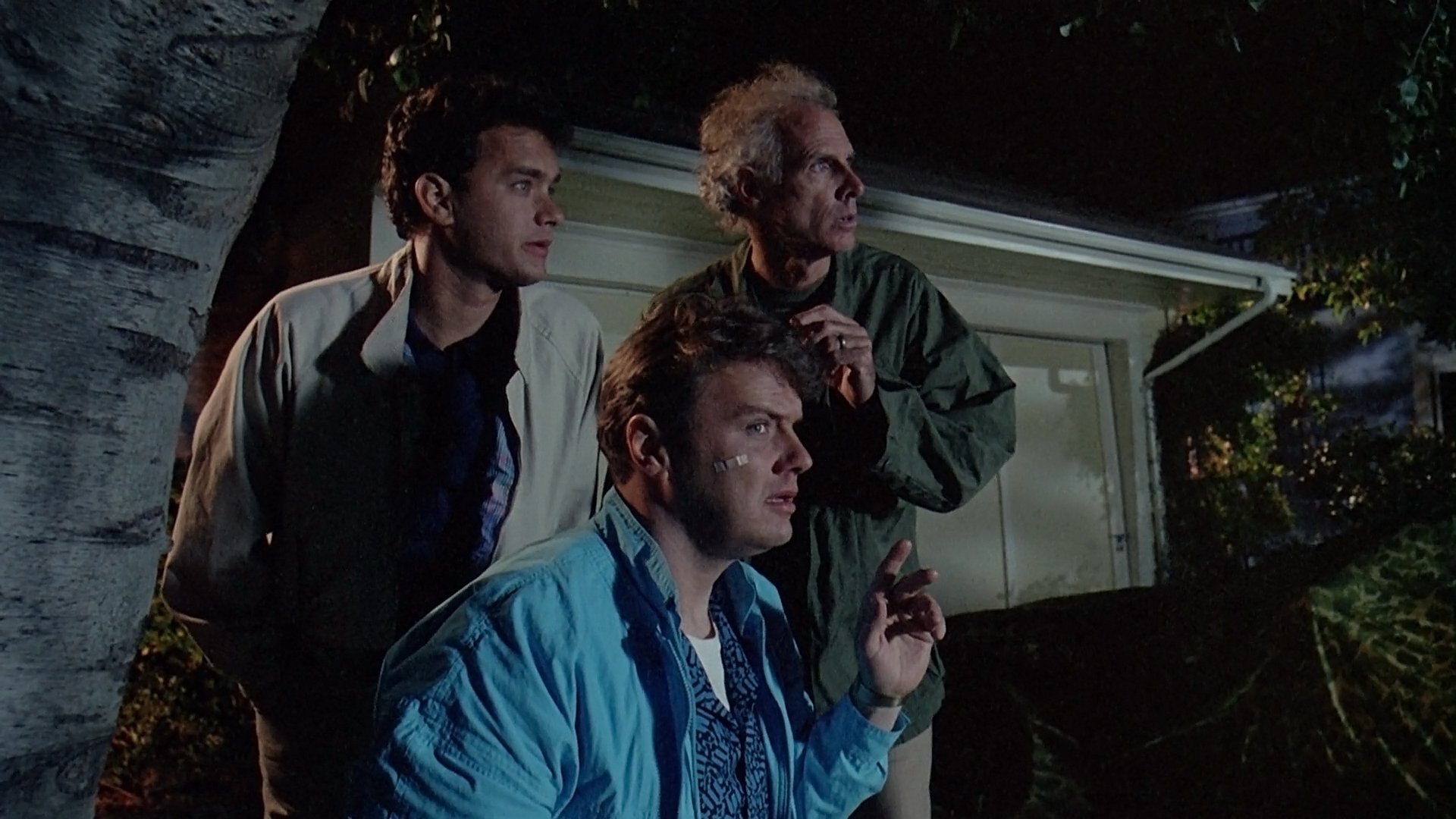
I compiled this list a few years ago, but I felt it needed a little revamping. There are a few changes to make for sure, as I thought longer and harder, realizing how much I love some more than others. There are a few like The Breakfast Club, Weird Science, and Rambo that I do adore of course, but I've seen those so many times in my life, I'm starting to become desensitized to their eternal charms. As for these 10 1980s gems, I never get tired of watching whenever given the opportunity. 10. The 'Burbs (1989) Before there was Shaun of the Dead, there was The 'Burbs. This one stood out in the late '80s. Sure, you had comedy, you had horror, but you rarely had a combination of the two. It's really less scary than funny, but it still manages to conjure up the creeps with a few jump scares here and there, a trio of midnight grave diggers, and an eerie anecdote about a '50s soda jerk who murdered his entire family.
The 'Burbs features Tom Hanks before he became one of the great dramatic actors of our age. It also stars Carrie Fisher, Corey Feldman, and the always charming Bruce Dern. Hanks plays Ray Peterson, whom we catch on the first day of his week off from work. He lives in a quiet little suburb where nothing ever happens, the most entertaining part of his day coming when neighbor Walter takes his dog out to defecate on the lawn of Mr. Rumsfield (Dern). But something sinister is lurking next door to Ray in the ramshackle house riddled with cobwebs and crows and dead trees. Ray hears an odd sound coming from the basement at night, and he, along with neighbors Art and Rumsfield soon suspect that something nefarious is afoot.
I've even named my Fantasy Football team after Boo Radley-like goon next door, Hans Klopek, who, along with uncles Reuben and the Doctor, make suburban America the place of nightmares. The scares are more goofy than horrifying, Ray is hilarious when having a beer-crushing meltdown, and Corey Feldman's Ricky turns the final showdown between Ray and the Klopeks into live studio audience for his dweeby metal head friends. The 'Burbs is a lot of fun, zany good time with well-written dialogue that comes off more like ad lib, and a scare-fest of slapstick humor.
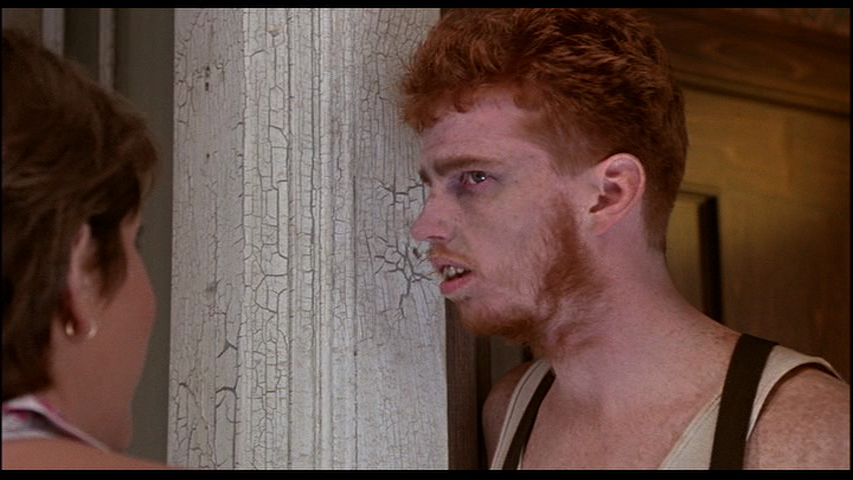
9. Fright Night (1985) Fright Night was the first movie I saw to actually make vampires scary, as the filmmakers worked to give the creatures of the night the right look. The movie featured Married With Children alum Amanda Bearse, who was morphed into the horrifying nightmare we see the left. Fright Night provided a few laughs and some sexy scenes, but mostly, it was a wacky affair that saw a vampire guarded during the daylight hours by a zombie-like humanoid.
Fright Night sees teen Charlie Brewster making out with his girlfriend Amy during another episode of "Fright Night," a tongue-in-cheek play on Dark Shadows in which vampire hunter Peter Vincent stalks the fanged freaks. In full peeping Tom mode from the comfort of his bedroom window, Charlie watches his new neighbor sink his vampire teeth into a classy lady of the night. Of course, when he tells everyone he knows in the immediate aftermath, nobody believes him, especially Amy, who blames the Peter Vincent show for Charlie's overactive imagination. When Charlie's mother invites Jerry, the vampire next door, over for a visit, it's open season on the peeping teen. One of the rules of the vampire is that they have to be invited into your home in order for them to make you their victim. Charlie only survives the night after shoving a pencil through Jerry's hand.
When Charlie is turned away by the police, he has no other options but to track down Peter Vincent, so that the famed, fictional vampire hunter might help him with his Jerry problem. Peter thinks it's all a joke until he sees for himself that Jerry casts no reflection in the mirror. He then turns into a cowering wimp, leaving Charlie to take on vampire, who's seduced and taken Amy captive. Peter then comes back in the end to prove the mettle behind his most famous act. The vamps are freaky in this one, the storytelling is right on, and the score is pretty good for an '80s joint.
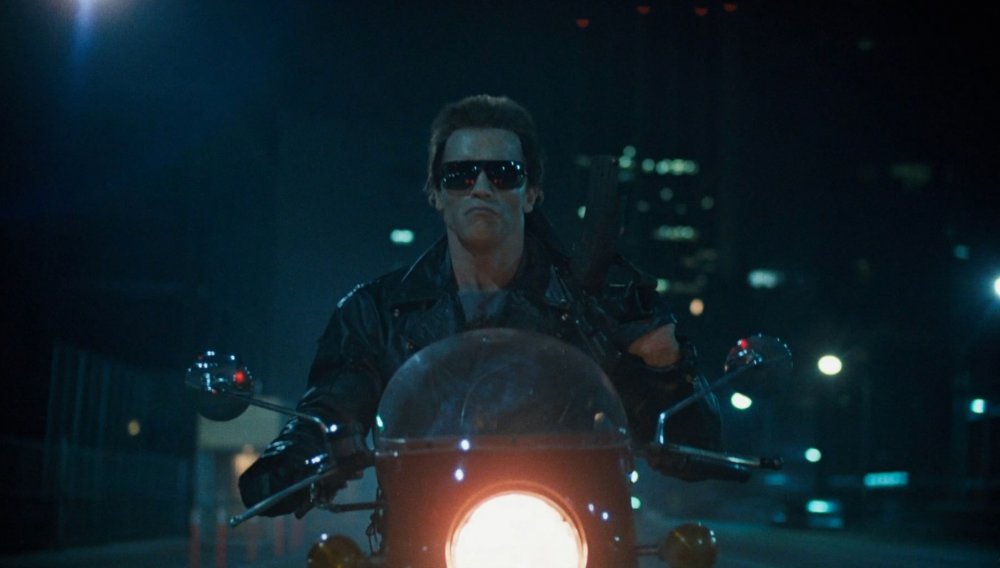
8. The Terminator (1984) I'm not sure when I first saw this one, but I certainly wasn't supposed to see it when I did. The Terminator is a horror/sci-fi flick, the best in the franchise, bloody and homicidal and not for the eyes of a youngster. It's one of the scarier movies to come out of the '80s, far more so than any Jason or Michael Myers slasher. The cyborg, played by the Governator himself, is unrelenting in his pursuit, persisting through searing, mangled flesh and steel to eradicate his his target.
We're first introduced to the Terminator when he teleports into a trash-filled dystopian alley. Had he owned more than a one-track mind, he would have shaken his head when comparing his futuristic generation to the 1984 he's been zapped to. You see, he's a half-man, half-robot killing machine sent from the future to terminate Sarah Conner, the future mother of future resistance leader, John Conner. In order to protect her, future John sent back one of his soldiers, Kyle Reese, to protect her. There's no foreseeable way for him to kill the machine. All he knows is that he must protect her, and that he feels compelled to do so because he has fallen in love the picture of her that John has shown him.
Reese uses shotguns, pistols, homemade bombs, and even vehicles to stop the Terminator. The problem is, it doesn't work. The machine endures gunshot wounds, a fiery tumble from a car hood that miraculously gives him a haircut (bad editing), two massive car crashes, and a jacked up eye and still continues his pursuit. As Reese says in the movie," He can't be bargained with, he can't be reasoned with, and absolutely will not stop" until Sarah Conner is dead. A relentless cat-and-mouse pursuit, an overwhelming sense of dread, and killer synth score drives this dark LA romp.
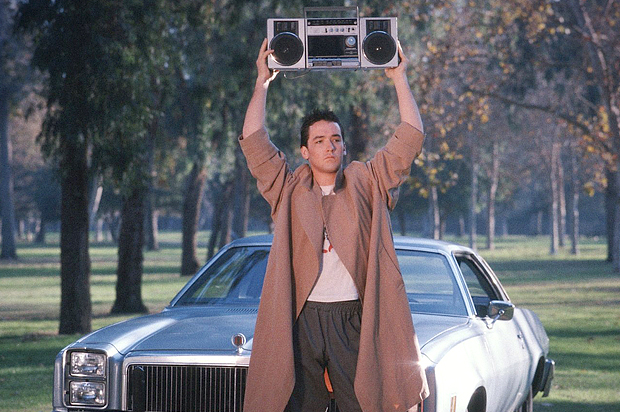
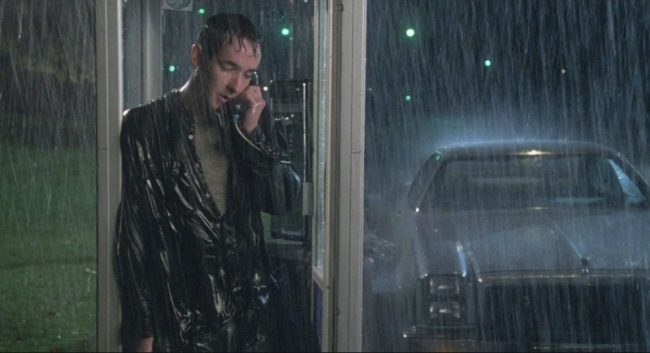
7. Say Anything (1989) I feel like all I really need to do for this entry is post the picture to the left. It's arguably one of the most iconic moments of 1980s filmmaking, the ultimate INFP moment that every boy who's become a victim of unrequitted love has attempted to duplicate in some way, shape, form, or fashion. John Cusack made his bones with this movie, and I also love his Gross PointeBlank and High Fidelity for their protagonists' stark resemblences to Say Anything's highly lovable character, Lloyd Dobler.
Lloyd is a cool, hip, easy-go-lucky guy from the wrong side of the tracks, one who everyone knows and seems to like. Everyone except for Diane Court, Lakewood High School's valedictorian who spent so much time being studious that she never really got to know any of her contemporaries. She and her father are very close, and he has sheltered her, some might argue to her detriment. When Lloyd cold calls her out of the blue one day and asks her to the school's graduation party, she optimistically accepts, knowing that she had never given her classmates the time of day.
Through Lloyd's every-man charm, his nervous talking habit, and his bumbling, humble nature, Diane slowly falls in love with him, much to the chagrin of her father. He sees Lloyd as a distraction for his daughter, and guilts her into breaking up with him. Lloyd soon resorts to the old "In Your Eyes" ploy in a heartfelt attempt to win her back. It takes Diane awhile to respond, but Lloyd had me as soon as he hoisted that boombox over his head.
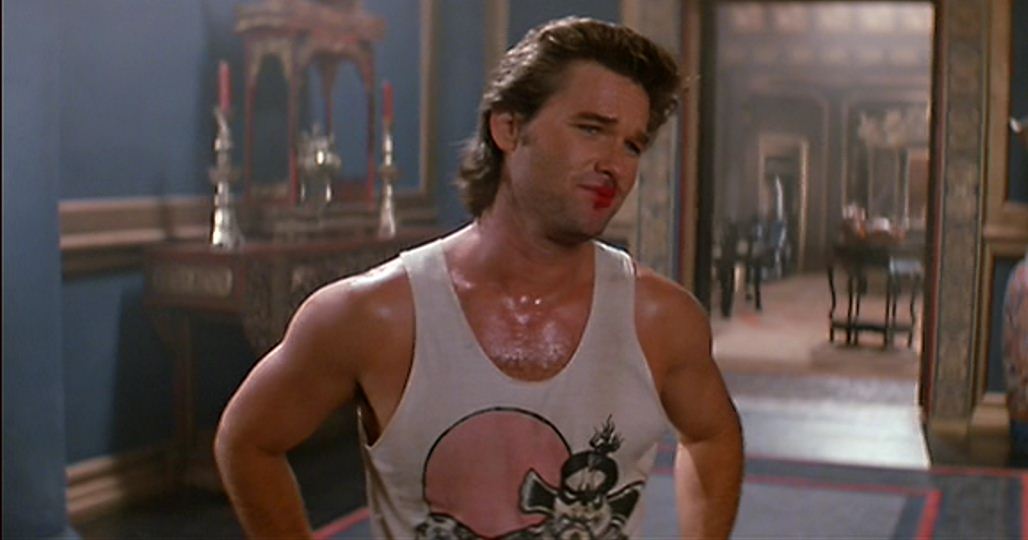
6. Big Trouble in Little China (1986) No, that's not blood on Kurt Russell's lips. It's lipstick. Let me explain. Lo Pan needed a girl with green eyes to undo the ancient curse, so he kidnapped Kim Cattrall and then she kissed Kurt Russell and he forgot to wipe off the lipstick before he started wising off to the main baddie again. Got it now? No? You only would if you saw the movie. Well, make that a few times, because that's what it really takes to absorb every aspect of this genre-busting outing that was well ahead of its time.
Big Trouble in Little China is a wacky movie, but it has great characters, whip-cracking dialogue, and Kurt Russell gives us his best performance in my humble opinion. This one is a Hoyle Classic, one of those movies my sister and I watched repeatedly, quoted, and gave the appropriate moniker. Kurt Russell's Jack Burton is one of my favorite characters in movie history. He's tough but goofy, strong but hyperbolic in a sissy sort of way, brave but quick to spout a one-liner in his pseudo-suave, wise-cracking persona.
Jack is a long haul truck driver on his way through San Francisco's Chinatown. He figures while he's in town, he'll stop, gamble, and drink with his old buddy, Wang Chi. The following morning, Wang has to pick up his girlfriend, Mao Yin, from the airport, and since Jack can't trust him not to skip town with the money Wang owes him, he comes along. While at the airport, Jack tries to hit on Kim Cattrall's Gracie Law while Mao Yin gets abducted by a Chinatown street gang, the Lords of Death. Jack pledges his loyalty to help get her back, especially when the Lords steal his truck.
On the lookout for Mao Yin, the two encounter a Chinese standoff between rival factions. When it looks like the good guys are winning, a trio called the Three Storms swoop in to help the bad guys, because well, they're bad guys. That's when they confront David Lo Pan, who's a bit of a legendary baddie, and whom the Lords of Death have taken Mao Yin to. In order to break the ancient spell cast on him, he must marry Mao Yin, a rare Chinese beauty with green eyes.
Jack and Wang, along with the help of journalist Margo, businessman Eddie, and the aptly-named lawyer, Gracie Law, set out to find Mao Yin and stop Lo Pan before he can marry her. The film was directed by John Carpenter of Halloween fame, and he really creates some zany creatures as he successfully melds action and slapstick humor. Jack Burton's character is up there with Indiana Jones and John Rambo. He's very John Wayne, but in a Gene Wilder sort of way in terms of his wacky antics. Big Trouble in Little China is a fun, wild ride into the gutters of San Fran's famed Chinatown.
5. The Lost Boys (1987) And the lost girl, right? You can't forget about Jamie Gertz, my first celebrity crush (besides singer Martika of "Toy Soldiers" fame). Sure, The Lost Boys is a vampire movie, but it's a lot more than that. The vampires are bohemian, nihilistic teens who literally sleep all day and party all night, all in a time when the notion was celebrated by hair metal bands. This is one of Keifer Sutherland's best roles alongside Flatliners. Straight off the success of St. Elmo's Fire, director Joel Schumacher gave the film a darker, sexier, edgier feel than the original Peter Pan spin-off idea. It was a great change and it resulted in one of my favorite movies of the decade, so thank you, Joel.
Michael and Sam are brothers, on the move with their mother to live with their grandfather in the fictional town of Santa Carla, CA, the "murder capital of the world." The brothers are soon sucked into the Santa Carla nightlife. Sam finds a comic book shop, and Michael finds a pretty, hippy chick at a concert performance by a bodybuilder with a saxophone who still believes. Michael is immediately entranced by the hippy girl, Star, but watches her speed away on the back of a motorcycle with a gang of unruly miscreants.
After Michael follows the young gang, led by pack leader David, he's charmed into drinking David's blood and becoming a half vampire. Sam is concerned for his older brother and rightfully so. The owners of the comic shop, Edgar and Allan Frog, are Rambo freaks who moonlight as vampire hunters. The brothers know a thing or two about the bloodsuckers, and they tell Sam that in order to turn Michael back, they have to kill the head vampire. The only problem is, they don't know who that is. So, they start with the youngest, Marko, while he's sleeping in his bluff cave.
The Lost Boys has a great Stranger Things feel to it, one of the movies that certainly inspired the show. The Frog brothers are funny and bumbling, but they're brave, tangling with the vampires head to head. Sam takes their lead, and Michael fights hard to overcome the hunger of the vampire long enough to keep his brother, his girl, and himself safe from David. The movie is cool, sexy, and has an excellent soundtrack, including main theme, "Cry Little Sister."
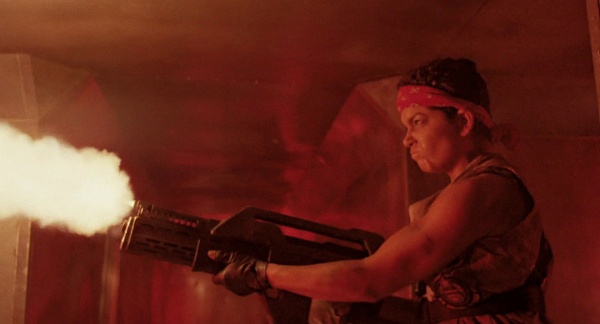
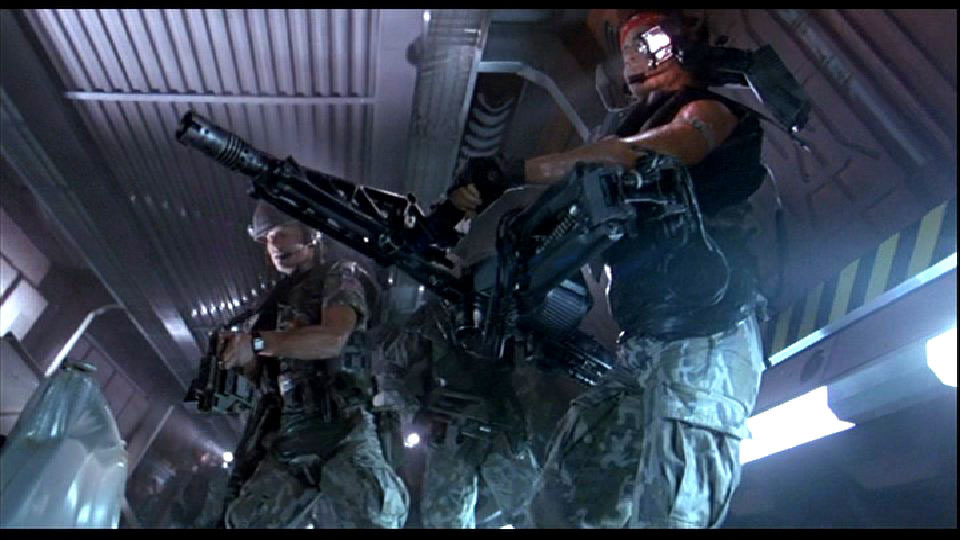
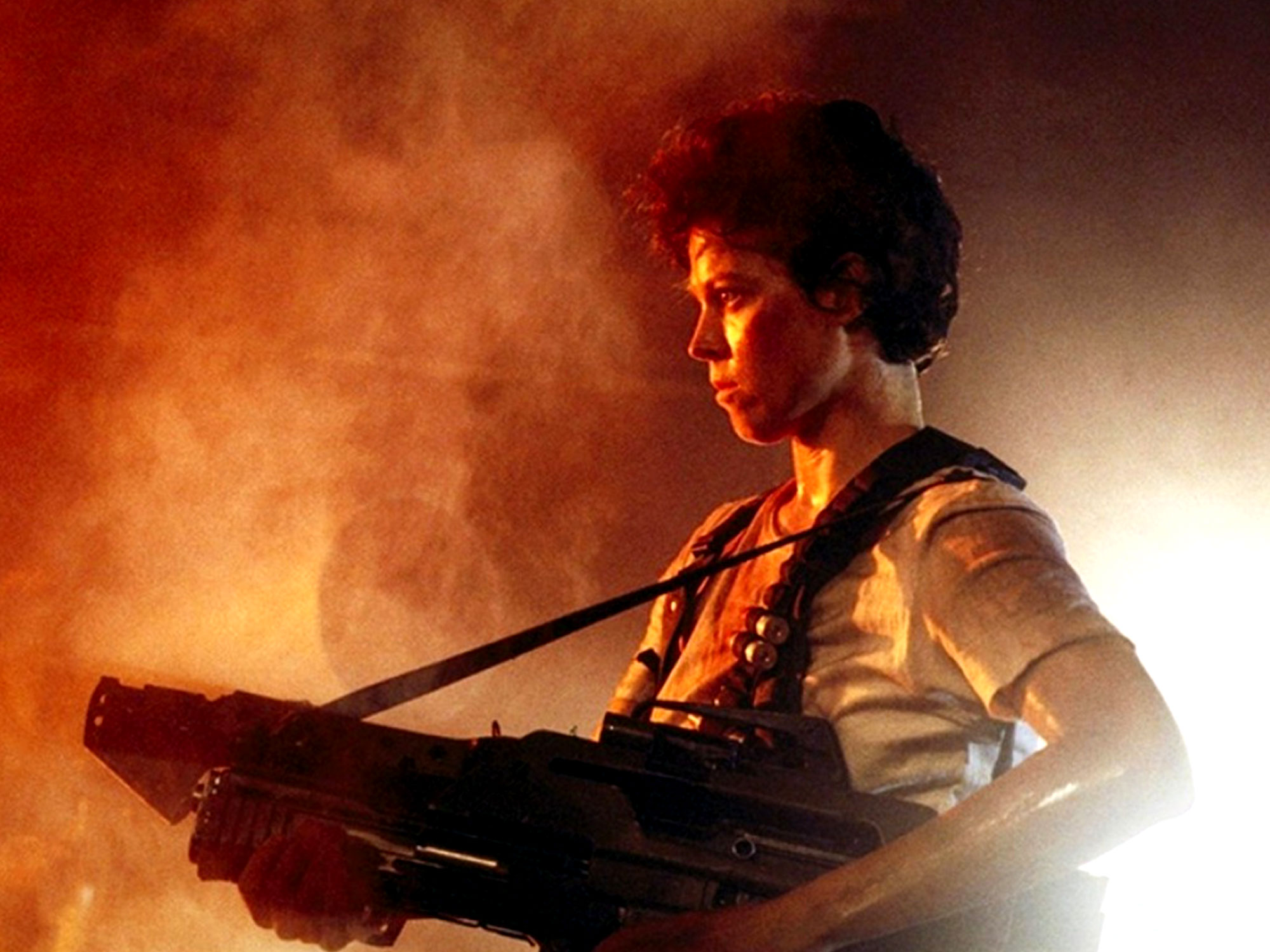
4. Aliens (1986) I was in 7th grade when I first encountered the long-lasting charms of Aliens. I met a new friend at school, he spent the night one Friday, and insisted that we went the movie at our local Hollywood Video. We certainly did, and reveled in the experience. The concept of the futuristic Colonial Marines was fascinating, with the larger-than-life personalities of Lieutenant Ripley (Sigourney Weaver), Corporal Hicks (Michael Biehn), Private Hudson (Bill Paxton), and Private Vasquez (Jenette Goldstein), who is pictured above. I was fascinated with the characters, their weapons, and with the dripping, crawling, acid-spewing horror of the xenomorph aliens themselves.
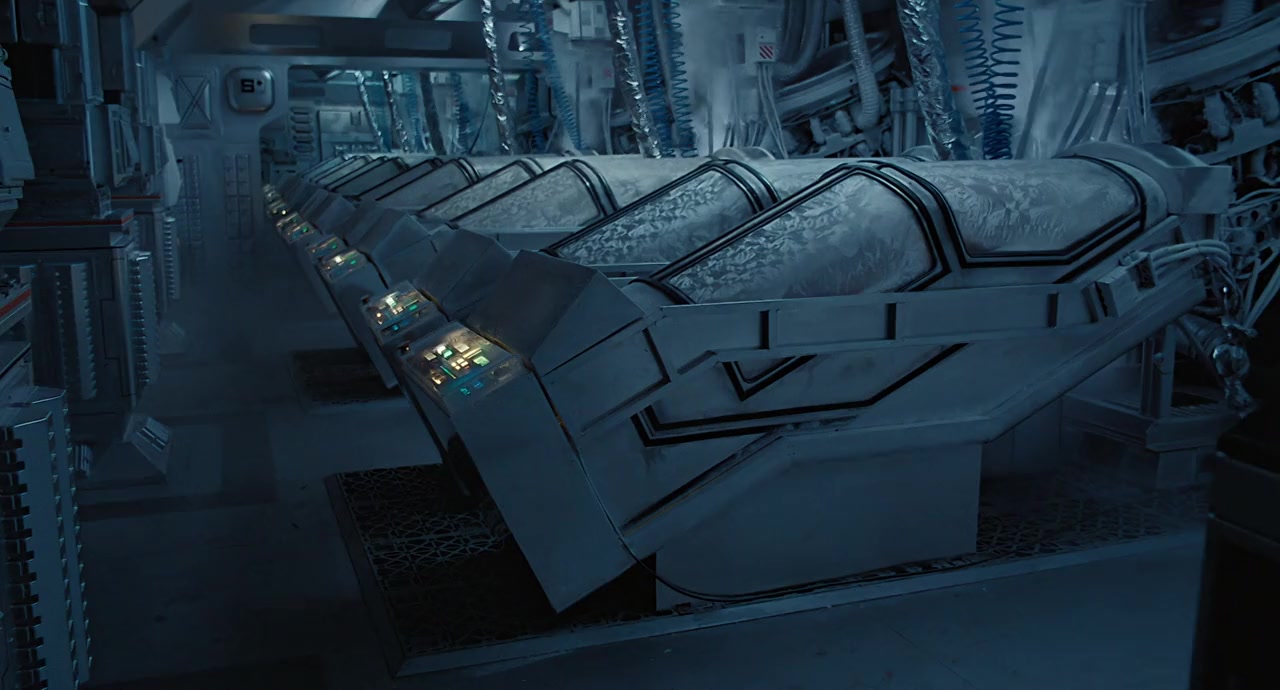
After spending 57 years in hyper sleep at the conclusion of the first Alien, Ellen Ripley's drifting ship is picked up by a salvage crew who brings her back to her employer, the Weyland-Yutani Corporation. There, she is questioned by them. And they don't believe a word about the alien who killed her entire crew, revoking her pilot license. Frustrated, she throws herself into her work, finding a job with in the ship's cargo bay. This is when she is approached by Weyland-Yutani representative Carter Burke, who, along with Colonial Marine Lieutenant Gorman, ask her to return to LV-426, the planet she barely escaped from the first time. She only agrees after a terrifying dream. Ripley enlists as a consultant for a unit of grizzled soldiers to return to the planet and find out why the colonists there aren't answering their transmissions.
It takes awhile for things to get going, but when the marines make contact with the planet, and make contact with the xenomorphs, all hell breaks loose. Their first encounter is a virtual slaughter, and only Hicks, Hudson, Vasquez, and Gorman make it out alive. Their escape pod crashes and leaves them stranded for over two weeks, where leaving them to devise a plan and utilize their limited resources to survive.
I love the last stand that the marines make. The action and score is intense. Hicks is great, Hudson is better, Vasquez is the best, and Ripley is the real queen, not the mother xenomorph she comes face to face with in the end. As her daughter grew up without her and died while she was still in hyper sleep, Ripley forms a motherly bond with child survivor Newt. Their budding relationship is touching to watch. Ripley is as tough as they come, determined to take on every last xenomorph standing between her and her new daughter, Newt.
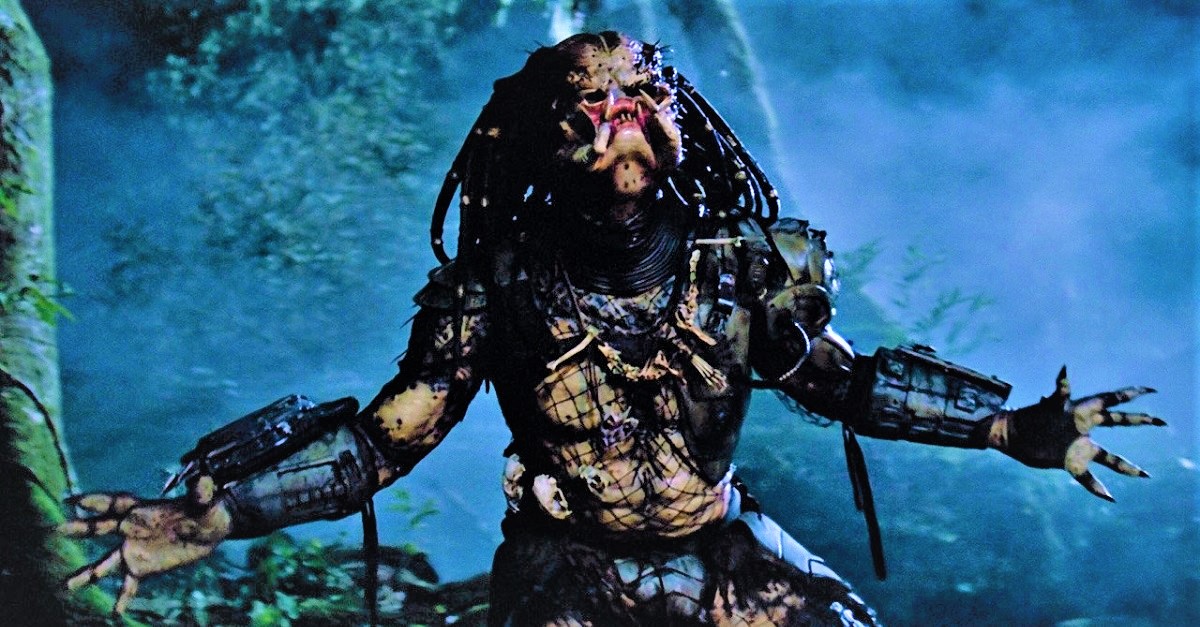
3. Predator (1987) I saw this movie opening day in the theater. I somehow talked my parents into making it my 11th birthday present, and while I rolled around in it like a pig in mud, they absolutely hated it. That's okay. I still got to see it. A kid in my neighborhood had gone to the earlier showing, which gave me the idea to hold it over my parents' heads as a birthday gift. Predator was like nothing I had ever seen, highly original in its concept with an ending that brings the house down.
Dutch (Arnold Schwarzenegger) and his small unit of men take to the juggles of the Central America to find out what happened to a top notch team of Green Berets. The Green Berets are soon found stripped and skinned alive, so of course, Arny and friends blame the Central American commandos next door, raiding their village and leaving only one alive in Anna. She sees the Predator before anyone else, likening it to a chameleon who morphed with the jungle at will with its cloaking mechanism. The team thinks Anna is crazy, until they don't anymore. The Predator begins picking off the troops one by one until all that's left is head hancho Dutch.
Like Aliens, this one has a great score, one that was almost completely brought back in the 2010 joint, Predators. The rough and tumble team of Dutch, Dillon, Mac, Blaine, Billy, Poncho, and Hawkins are as tough as they come, their weapons are bad news, and their tactics obliterate the village Contras before they get obliterated by the Predator themselves. Only Dutch stands a mushroom cloud of a chance in the end.
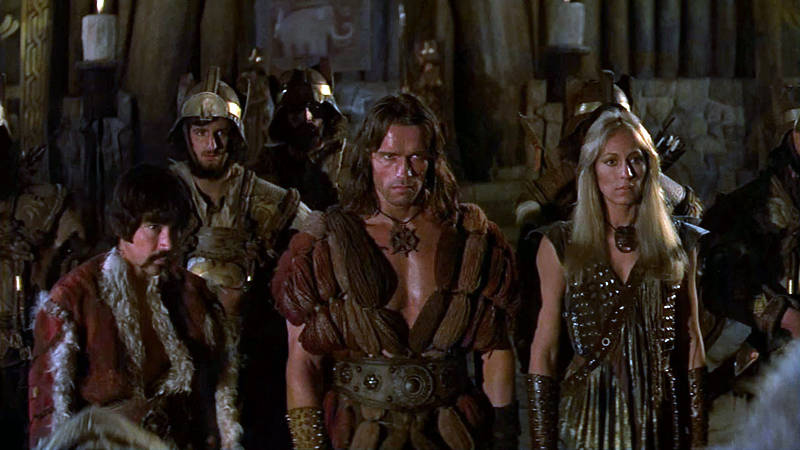
2. Conan the Barbarian (1982) I can't believe Arnold Schwarzenegger make this list three times. He did what the character called for in Terminator, was solid as Dutch in Predator, but in Conan the Barbarian, his acting was quite horrible. I get that it was early in his career, and the movie is built around his look, that is so stellar that his acting chops really didn't make that much of a difference. Conan the Barbarian is a fantastic fantasy movie with a historical slant, much like Games of Thrones, with plenty of blood and high drama to make the comparison stick.
The Cimmerians, Conan's people, are likened to the Gallic tribes who battled the Romans for so many centuries. The movie definitely has its Scandinavian influences as well, with Nordic-like King Osric and the Valkyrie-esque Valeria, Conan's main squeeze. She even appears to Conan in the end in all her winged helmet regalia, paying homage to the warrior women of Norse lore who escorted fallen Vikings to Valhalla.
The excellent score really goes with the old world revenge story. The young Conan's father teaches him the importance of steel and sword-making, which is exactly what gets him killed. Thulsa Doom (James Earl Jones) and his brood of cultish thugs raid Cimmeria and kill everyone, including Conan's parents, in search of steel. The cult makes the poor decision of keeping Conan alive, selling him into slavery where he is forced to push a massive wheel all in the name of corporal punishment. While all his contemporaries die or are sold off, Conan persists, building all of his muscles to Schwarzenegger proportions in his quest for vengeance. He's then turned into a cage fighter, where he learns the fighting skills he needs to seek out Thulsa Doom, who is an extremely vague memory to him.
After he wins his freedom, he runs into Mongol-like archer Subotai and blonde beauty, Valeria. The three form of an unlikely band of thieves who are pretty handy with swords as well. When they steal from Thula Doom, who has shifting his fascination from steel to flesh, Conan runs head first into a slew of memories, and a giant snake. Thulsa Doom associates himself and his cult with snakes, and even shape shifts into one before it's all said and done.
Conan has his revenge in a desert showdown, pitting three against a multi-pronged onslaught of attackers. Conan addresses his god Crom for help, but tells him that if he doesn't provide assistance, then he can basically shove it. There was a sequel, but it was way different in feel, with one particular character added merely for comic relief. Conan the Barbarian is bloody, brutish, and guttural, and it is so good, it's even easy to forgive some of the bad acting.
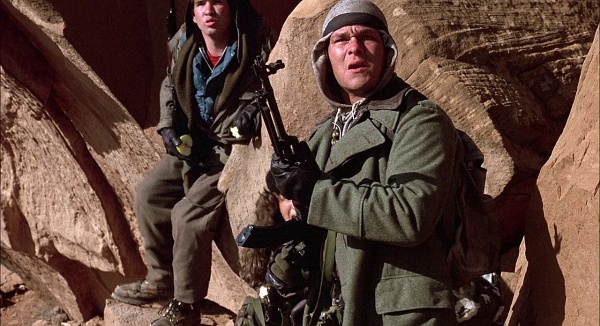
1. Red Dawn (1984) I think Red Dawn scared a lot of people when it came out in 1984. We were in the midst of the Cold War, relations with the Soviet Union were pretty sketchy, and there were still Communist governments in the world that the US couldn't do a lot about. So what if a perfect storm of factors saw US alliances fall, leaving it vulnerable to attacks from Communist and Fascist regimes? Red Dawn surmises it, and answers that question in vivid detail. It's unofficially World War III, pitting the Soviet and Cuban militaries against local freedom fighters - high school students from the fictional Colorado town of Calumet.
Jed (Patrick Swayze) and Matt (Charlie Sheen) are brothers. Jed is a year removed from high school, while Matt is a senior along with his buddies, class president Daryl and Star Wars nerd Robert. After Jed drops Matt off at school, Soviet paratroopers begin to land during a history teacher's lecture on the Mongol Empire. The troops begin to shoot when confronted, leaving the teacher dead, as well as a one student. This is about the time that Jed sweeps back through the school in his truck to pick up Matt, Daryl, Robert, Aardvark, and pipsqueak Danny. Scared out of their minds, they take supplies from Robert's father's convenience store and literally head for the hills.
The Soviets round up certain citizens of Calumet based on the speculation that they may cause trouble. In the process, Robert's father, as well as Jed and Matt's father, are executed. The group soon decides to fight back, utilizing guerrilla tactics under the name of their high school mascot, the Wolverines. The name becomes a rallying for the group, who pose a threat to the hostile takeover where the US military cannot.
As the war drags on, the group loses members until it comes down to a core four. Jed and Matt battle until the end. Their friendship and brotherhood is touching, as Swayze and Sheen fit into the shoes of their characters so well that I forget they're not actually brothers in this one. Swayze is absolutely remarkable as Jed, his finest role next to his Bodhi from Point Break. The Red Dawn remake is sacrilege to the original. Jed, nor Robert, are portrayed in the same way, leaving much to be desired compared to the qualities the original film. Much like The Godfather, Red Dawn should have been left alone.
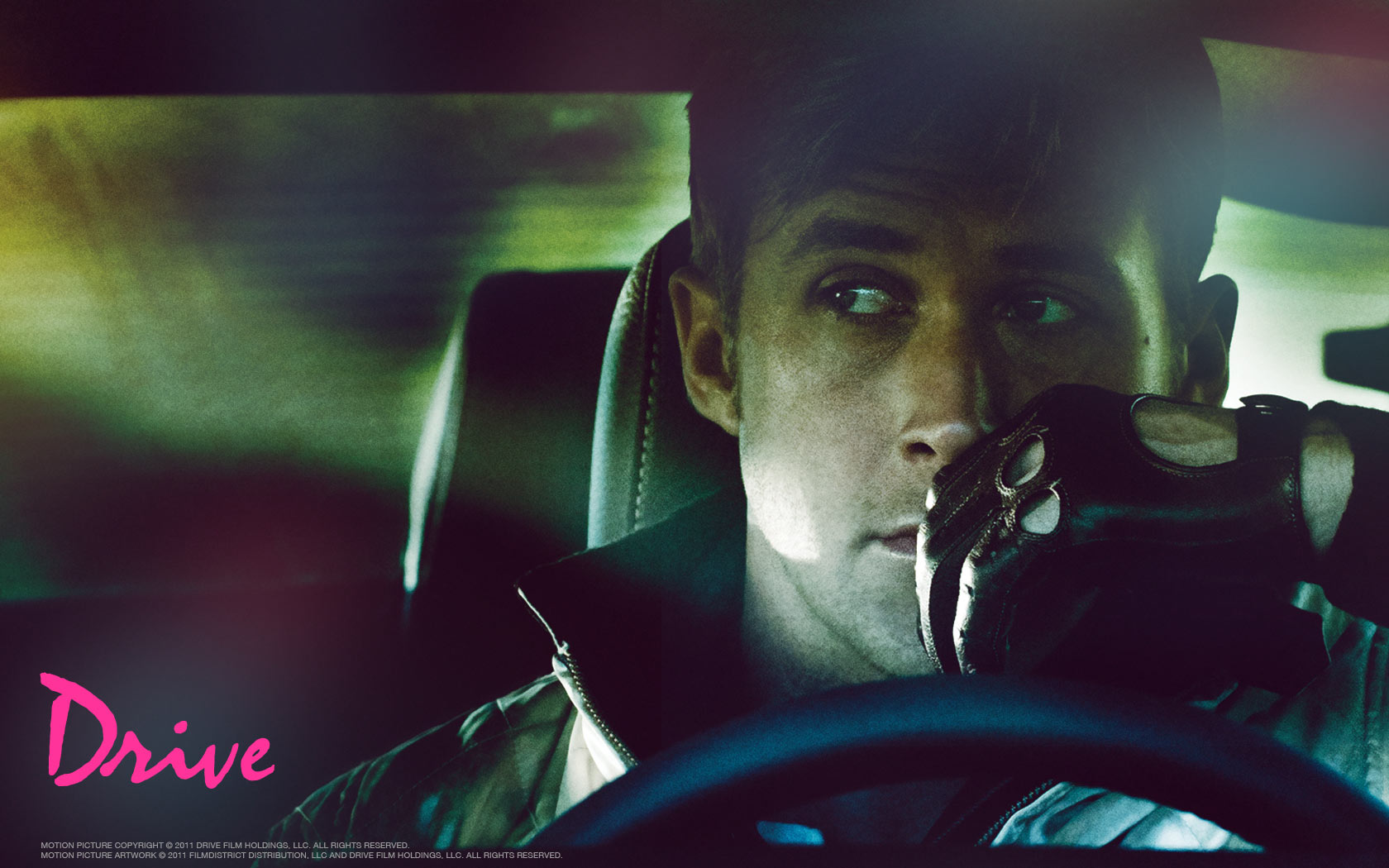
Back in 2011, I saw a movie that changed my life. That movie created a ripple effect that saw me fall in love with a music genre, one I never knew existed. I used to like driving at night, still do, encapsulated by my surroundings, car illuminated by the glow of the dashboard and consul lights. There's nothing like driving at night, driving somewhere, driving anywhere, driving nowhere, listening to pulse-pounding, indie electronica music, inspired by Ryan Gosling's Driver in the groundbreaking, independent film, Drive.
When we lived in Laramie, WY, my wife and I drove an hour to Cheyenne to see a movie. I don't even remember what we wanted to see initially, but whatever it was, the theater had changed the movie times for it and we missed out on our planned feature. We looked for a quick substitute, and she suggested we check out this movie called Drive. I had seen the previews. The movie looked like a Fast and Furious wannabe flick, one in which I had no interest at all in seeing. Reluctantly, I entered the theater, and was immediately drawn in by the cool, neon glow of the title, and by the opening driving montage track, "Nightcall" by Kavinsky.
The music went well with the movie, and turned me into an electronic junkie. The whimsical chimes of acts like Chromatics and Desire swept their brushstrokes across the canvas of the film's scenes with their retro-80s flare and gusto, beats and melodies intertwined around one another like twisting vines. The music selected by Danish writer/director Nicolas Winding-Refn and score artist Cliff Martinez fit like the driver's hand into his blood-soaked leather glove. Driver was a hero, or rather an anti-hero, the best in the game, willing to anything and everything to keep his love interest and her young son from harm. Drive is Pale Rider for a modern audience, one soaked in neon lights and pulsating tunes and ultra violence.
Drive is my favorite movie of all-time. I never could have expected as much going into the movies that fateful night in Cheyenne. It, and it's music, made Winding-Refn one of my favorite directors, and his preferred choice of music, indie electronica, mine the same. I next fell in love with tracks like "Secrets" by Silver Swans and "Brokendate" by Com Truise. This was a new genre of music I had fallen into headfirst, all because I went venturing off to see Drive that night. Retro electronica opened up a whole new world for me, beats and synths overlapped by swooning vocals, captured in the revelry of their melodies. "Secrets" reminded me of Drive every time I listened to it, and I was soon inspired to create my own "Night Drive" track list on Spotify.
The playlist features standouts like Drive hits "Nightcall" by Kavinsky, "Tick of the Clock" by Chromatics, "Under Your Spell" by Desire, plus newer tracks like "Secrets," "Perfect Speed" by NAVVI, "Tanned Skin Dress" by Xander Harris, "Fallout" by Neon Indian, "Oblivion" by Grimes, and "Night Walk" by Still Corners. This is one of, if not my favorite playlist, one I've updated over the years without changing the core of its essence. This is still one of my favorite music genres, as I have also dedicated Pandora playlists to it to listen to on my workdays. Drive is certainly an indie flick, but it's a gem, having opened up my eyes to the music and the style it brought with it. Now if my wife would just let me buy a replica of Driver's scorpion jacket...
One of my favorite all-time bands is the dearly departed indie darling, The Autumns. Their dream pop stargazing style took all the best elements of the Cocteau Twins and Slowdive and successfully created something of its own, meshing dreamy instrumental montages with heavy doses of viscerally-doting lyrics. The band boasts a canon of four full-length albums and three EPs, all varying in theme and overall style. The band was a niche act, fronted by singer/songwriter/guitarist Matthew Kelly, who owns one of the most unique voices I've heard in indie music. The small, quiet legacy of The Autumns couldn't contain him, as he went on to with and contribute his talents to acts such as The Sounds of Animals Fighting and Pyramids.
In 1996, The Autumns emerged on the scene with their four-song EP, Suicide at Strell Park. Opening track "Pale Trembles a Pale" ranks as one of my favorite songs of all-time, heartbreaking and optimistic within the same stiffled breath. There's something I feel when I hear this song that I can't quite explain, something ethereal, something eternal, but the same can probably be said for any other Autumns fans walking the planet when they listen to this one. We don't listen to it. We feel it. There isn't a weak spot on the EP, with Cure-like tunes "Apple" and "Rose Catcher," and the slow, somber finale, "Suicide at Strell Park." One of the best EPs ever recorded in my humble opinion, Suicide was a debut wonder that gave a brimming glimpse of things ahead.
Two years later, The Autumns released their first full-length, The Angel Pool. The album still ranks in my top ten of all-time. It's one of those rare records that you can just let play, not a weak song on the entire recording. The albums opens on the ethereal chime of "The Garden Ends," a slow, somber, shoegaze anthem for the hopeless romantic, promoting an eternal sadness through lead guitar licks drowning in a tranquil sea of reverb and delay. Much of the album sticks to the same glue, though my personal favorite, "Eskimo Swin," is a more upbeat number, heavy on the intricate guitar work and simplistic enough on the mellow bass line. One of my favorite lyrics comes from the tracks - "trip wild-eyed through my heart's poison ides." Another favorite is "Embracing Winter." The song is good, but once the end draws near, the band creates a soundscape of ethereal bliss, beautiful chords and melodies hanging over one another like layers of kudzu.
My other favorite on the record is the last track, "Glass in Lullabies." It owns such a great chord progression, a track that doles out a fifties vibes before diving into complete solitude, giving away notions of a pair of tragic Route 66 lovers caught between the thread of life and death. The end of the song is absolutely heartbreaking, an uber somber tune carried away into absolute desolation. I was never able to see the band live, but I would be willing to bet that "Glass in Lullabies" was the show closer just as it is on the timeless album, one that far too few people know exist. "Glass in Lullabies" is a sad tune, a lamentation of epic proportions, sure to leave its lasting embrace on the listener.
In 2000, the band drifted away from their dreamy origins, sliding into a cleaner sound altogether. While it was not The Autumns I was used to, I bought up their new LP, the ultra-poetic In the Russet Gold of This Vain Hour. Track one, "The Boy With the Aluminum Stilts," is undoubtedly the best on the record, one brimming to life with a Cure-like bass progression before a clean guitar melody joins in to complement it. Fans could better appreciate Matthew Kelly's voice, his belted out chords and his delicate falsetto on In the Russet Gold, as we could better hear it without the assistance of reverb. He showcases his range well on second track, "Unfolding and Fading" and third song, "Siren Wine," is one laced in guitar harmonics and intricate plucks.
Track number seven, "Bicycle," sounds, well, like a bicycle. How is that possible? Ask Matthew Kelly. Through harmonics, he he climbs up and down the length of his guitar as he croons the falsetto-heavy ballad, one I saw him perform at a recorded live show. Other highlights on the record include the optimistic charmer "June in Her Frost and Fur," the minor chord-heavy "Minstral Chimes at Night," and the piano and strings closer, "In the Russet Gold of This Vain Hour," which sounds like a complicated romance from the Regency period of England. The album is a massive departure from the dream pop sounds that built the band's fan base, but we stuck with them regardless as they spread their wings into newer territories. A kindred spirit in Cocteau Twins bassists Simon Raymonde produced the album.
In 2001, the band released two EPs, both very different in flavor. The first, Le Carillon, was an ode to fifties doowop, casting images of the band standing and smiling and delivering chirpy pop ballads straight from American Bandstand. The EP was nice to own as an Autumns fan, but was the least Autumns recording up to that point. It was almost like a subtle experiment, a film that a touted director tries outside his regular comfort genre. The band did a really nice job of capturing the sounds of the decade, so Matthew Kelly knew exactly what he was doing on the effort. I mention Kelly the most because he was backbone of the Autumns, the only member to play on every single release the band made.
The second EP was a covers effort, one in which the band paid homage to fellow dream popper Lift to Experience, The Smiths, Nick Drake, and David Lynch. The first three tracks are all equally great, with first tune "With the World Behind" coming off like a tormented poet's dying declaration. "Please Please Please Let Me Get What I Want" is next, a song The Autumns make their own, even slower and more grounded than the original Smiths classic. My favorite on the EP, "Time of No Reply," was originally performed by Nick Drake. It's a slow, vulnerable ballad, one that gives off shades of the dreamier elements that made the band who they were in the beginning clean with somber, swarthy guitar effects.
The Autumns made us wait three years later for a new album, 2004's self-titled effort. The band mixed clean guitars with reverb-heavy ones to create a subtle mix of The Angel Pool and In the Russet Gold, but also something all its own. One of the highlights from the record is "Deathly Little Dreams," a tune closer akin to the dreamy days than anything else they had done since. It gives a slow, delay and reverb-heavy build-up before breaking out into a drum and guitar dream sequence that made fans of The Angel Pool proud. It provides a simple enough melody on the way to its full explosion into the realm of the ethereal and the fully emotive.
Another highlight on the record is "Cattleya," which ushered in percussion and piano along with cleaner guitar sounds. It sounds more like a song taken from In the Russet Gold with the more earthy elements it offers. Two more highlights on the record instrumentals "The Moon Softly Weeps a Lullaby" and "Flies in the Eyes of the Queen." Despite the beauty of the songs mentioned, the self-title album was probably the weakest LP overall to date. Had they stuck to same sounds that staked their claim on the shoegaze genre, they would have played themselves out. I get it. Kelly and Co. had to expand their tendencies, but I sure missed the older stuff, sounds we would never hear from the band again during their tenure.
In 2007, the band released their final album, "Fake Noise From a Box of Toys." The first single heard from the effort underwhelmed, but the more I gave the rest of the tunes a listen, the more I could appreciate the sounds. "The Midnight Knock" was the best track on the album, and the closest thing I could recognize to the Autumns fervor of old. The band got a little more noisy on the album, breaking into choppy, fragmented segments, which was the biggest departure from the Autumns we previously knew. They had enough of their classic melodies to swoon us into believing again, but broke new ground with their guitar work, which led nicely to Matthew Kelly's next musical project, The Sound of Animals Fighting.
Matthew Kelly wasn't a regular contributor to the new band. Kelly lent his guitar and vocal talents to only a few of the songs under the guise of the "Wolf" in a band dominated by mysterious animal masks. The band created soothing and serine melodies, only to break off into fragmented segments of spastic indie rock. The song, "The Heretic," was Kelly's best and most Autumns-like contribution, taking from the band's 2006 debut album, Lover, the Lord Has Left Us. He plays on and lends his voice to a few other tracks as well, but "Heretic" is certainly the most memorable. The Sound of Animals Fighting was an odd landing spot for Matthew Kelly, but they represented something wholly new for him to dabble his talents in.
In 2015, Kelly next went the black metal route with Pyramids, a far cry from his time spent with The Autumns. Kelly's instantly recognizable falsetto over the waves of metal guitar and rhythmic double bass drums are a strange dream of lush meadows draped in black lace and bubbling, steaming rivers. It's a frantic, relentless experience, but one that Kelly makes his own, bringing to mind acts like Deafheaven and The Body. Kelly takes us down a wild but calculated labyrinth in Pyramids' debut album, A Northern Meadow. Pyramids went on to record another albums and a collaboration with another band Nadja, though those don't seem to have included Kelly.
Matthew Kelly has dabbled with a few others bands after moving on from Pyramids, such as Minus Music and The Soviet League, neither of which I can find samples for. Neither project seems to have been too serious, nothing like the The Autumns, The Sound of Animals Fighting, or even Pyramids. Kelly did record a solo effort in 2007, just one song he recorded on his laptop, a cover of one of my favorite songs from one of my favorite albums - "Hives Hives" by Xui Xui. Kelly, and especially The Autumns, loved a good cover, as evidenced by their Covers EP. This blog post is mostly about them, with Matthew Kelly serving as their version of Billy Corgan. The band was a revolving door for the most part, but Kelly was the only constant, leaving quite a nice legacy behind for an indie band no one has heard of. I would never had heard of them had I not been introduced by a couple of dear friends of mine. I heard "Pale Trembles a Gale" at their behest, and have never looked back.
 I think I caught this one on a cable channel one day. It offers a nice line-up with Ethan Hawke, John Travolta, and Taissa Farmiga, playing their parts in an unorthodox Western, one that offers equal parts slapstick humor and bloody violence. The movie sticks to a simple enough formula - drifter comes into town, is forced to fight, then is persecuted for the trouble he's started, which he didn't really start at all. Hawke plays Paul, an ex-soldier drifter with a dog who is wrongly hunted down by Gilly, the hot-headed son of the Sheriff, Clyde Martin (Travolta). Gilly and his bumbling henchmen push Paul, literally, too far, which forces the sheriff's hand.
  This one stars Danish sensation Mads Mikkelsen as Jon, a Danish settler who experiences one hardship after another in an attempt to settle in America after fighting a war abroad. The film also stars Penny Dreadful alum Eva Green, and The Walking Dead alum, Jeffrey Dean Morgan, who plays a better bad guy than most. Jon takes no pleasure in the vengeance he must have against Delarue (Morgan), whose brother Jon kills when his family is attacked. Madelaine (Green), used and abused as she is, plays an interesting role as well, a mute woman who's bent on her own revenge. Jon is the reluctant killer, and Madelaine is the black widow who's been wronged one too many times.
 Ben Foster was for a time one of my favorite actors. He's never really carried a movie, but certainly could if given half a chance. In 3:10 to Yuma, he plays bit bad guy Charlie Prince, the second in the outlaw gang of Ben Wade (Russell Crowe). Not only is Foster a great actor, and wears a cool jacket and carries a cool gun, but he's my doppelganger, even though he's about a foot shorter than me. But despite all the praise, Foster isn't the best part of 3:10 to Yuma. A remake in itself, the movie pits simple farmer Dan Evans (Christian Bale), along with a town full of law men, against Ben Wade, as they attempt to bring the outlaw to justice. Charlie Prince and gang follows the lawful caravan across the desert in order to free Wade. The ending is classic.
 The Quick and the Dead is about as campy as they come, but it's no less entertaining for it. It's campy on purpose, which gives it a unique style for a Western movie. It features Sharon Stone, a very young Leonardo DiCaprio, and Western movie staple, Gene Hackman, who is excellent as town villain Herod. It's the Bloodsport of Western movies, pitting would-be challengers against one another in a shootout contest to win a boatload of cash, courtesy of Mr. Herod and his paid henchmen. Sharon Stone plays Ellen, a mysterious drifter bent on revenge, who looks to take out Herod with the help gunfighter-turned minister, Cort (Russell Crowe).
 In one of the first movies I remember suggesting we root for the bad guy, Unforgiven grows on you after every viewing. It's a long one, and it takes a lot to get to the legendary shootout in the end, but man, is it worth it. Clint Eastwood is at his best here as William Munny, supposed murderer of men, women, and children. He's settled down, is a widower and a farmer with two children, and needs just as much money to survive as the next guy. This is why he embarks upon a dangerous mission with old friend Ned (Morgan Freeman) and the Kid to avenge a brutalized prostitute at the behest of her associates. Though, Little Bill (Gene Hackman) won't let such stand in his town of Big Whiskey.
 The Hateful Eight is one of Tarantino's best, if not THE best. He loves to bring together a who's who of criminals and shady lawmen in order to lead them to a deadly conclusion. I love movies like this, and The Hateful Eight gets it right on so many levels. Former Civil War soldier turned bounty hunter Marquis Warren comes across a second bounty hunter, "The Hangman" John Ruth (Kurt Russell) in a Wyoming snowstorm. Ruth is on his way to hang outlaw Daisy Domergue. A band of misfits, some who might have nefarious intentions, soon join the cast in Minnie's Haberdashery, a literal shelter in the storm.
 This one was a childhood favorite, and it's still one as an adult. Young Guns tells the slightly fictional exploits of Billy The Kid and his gang of teenage accidental outlaws, riding across the barren plains of New and Old Mexico. Emilio Estevez is Billy, a role he was born to play, a young pistoleer with a wild, brazen, unpredictable disposition. When their benefactor is killed, Billy, Dick (Charlie Sheen), Doc (Keifer Sutherland), Chavez (Lou Diamond Philips), Charlie, and Dirty Steve, set out on a mission to bring the killers to justice. They are deputized, but Billy decides to execute the murderers without trial. This puts the group into the cross hairs of the law, a couple of bounty hunters, and even the US Army.

 This one is probably everyone's favorite cowboy movie. Val Kilmer's Doc Holliday is one of the best portrayals in movie history, with excellent one-liners and a no fear attitude. Kurt Russell plays legendary Kansas lawman Wyatt Earp, who moves to Tombstone, Arizona to start a new entrepreneurial life with his brothers, Virgil (Sam Elliot) and Morgan (Bill Paxton). Lawlessness at the hands of a marauding bunch called the Cowboys sees his brothers take up the badge again, much to Wyatt's chagrin. A war then ensues between the Cowboys and the Earps, and with the help of Doc, they attempt to bring law and order back to the land.








%2B9.jpg)